

Drone light shows are rapidly becoming a part of modern celebrations in India, but how safe are they really? This blog explains DGCA rules, safety standards, and what actually goes on behind the scenes of a compliant drone show.
Indian Drone Light Shows are highly regulated by the DGCA Drone Rules 2021, mandating approvals, licensed operators and controlled airspace use. When performed in compliance with the regulations, they are one of the safest and best-controlled forms of aerial entertainment.
If you’ve ever watched a drone show, the first reaction is usually awe. The second one, is this actually safe?
It’s a fair concern. Hundreds of drones moving in perfect sync above a live audience doesn’t look simple. And for most people, the assumption is that something this complex must carry risk. But here’s the reality most people don’t see.
Drone shows in India are not just creative productions—they are regulated aviation activities. Every movement you see in the sky is backed by layers of approvals, simulations, and safety systems working together. And once you understand how that system works, the perception shifts completely.
What Are Drone Show Safety Standards in India?
Drone show safety standards in India are built around one core idea: control. In contrast to conventional air displays, drone shows are programmed fully in advance of their take-off. All the drones move in predetermined paths, taking full advantage of highly accurate positioning systems, allowing for precision in the order of a few centimetres. But the real safety is in the choreography.
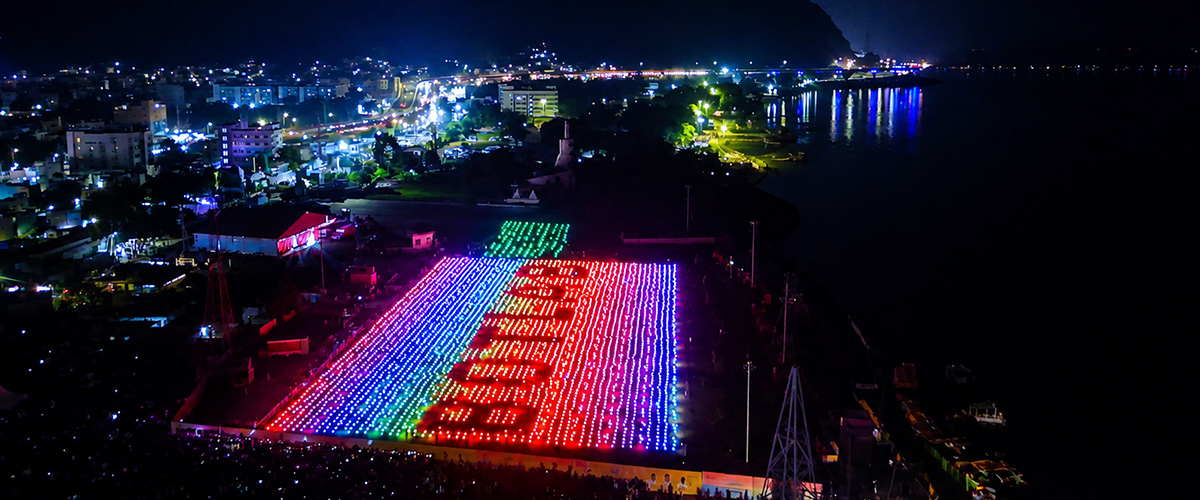
Several systems are employed in conjunction for the purpose of flight tracking, separation between drones and confinement within the assigned airspace. If anything happens, the drones will be instructed to make do with what little they have and go back home or land safely on the ground. Put simply, every single thing about a drone's performance is prearranged.
Why Drone Shows Are Considered Safe in 2026?
There has been a noticeable shift in how large-scale events are planned across India. More organisers and even government bodies are choosing drone shows over conventional options. The reason comes down to predictability.
Fireworks, for instance, rely on combustion. Once launched, they cannot be controlled. Drone shows, on the other hand, are based on software-driven systems. Every movement is tested multiple times before the actual performance.
From our experience, what makes drone shows reliable is not just the technology, but the preparation behind it. Before any live event, teams conduct detailed simulations, assess weather conditions, and analyse potential risks. By the time the drones take off, the show has already been “flown” several times digitally.
Understanding DGCA Drone Rules in India
Before understanding Indian drone safety laws, you need to comprehend the role of the Directorate General of Civil Aviation. This DGCA has issued the Rules for Unmanned Aircraft Systems, or popularly known as the Drone Rules 2021, to control all uses of unmanned aerial vehicles countrywide.
All professional shows are regulated at any time through the registration of each drone and by compliance with the “NPNT” system, which stands for “No Permission, No Take-off”. This system prevents any drone from being flown without permission.
All of India‘s airspace is divided into different zones. Certain zones in India have some restrictions for drone operations, certain zones may be accessed with permissions, whereas some zones are not accessible at all. This classification is extremely important when planning any drone show. It may sound and seem complicated, but that‘s what makes the operations safe and secure.
Digital Sky Platform and Approvals
An essential part of the rules regarding drone use in India is the usage of the Digital Sky platform. Consider it as a “central system to control the users, their location, and time.” Drone operators will have to upload the complete flight plan onto this platform before a drone show.
The proposals include details like site, height, date/times and number of drones being employed. When these are sent to the system, it determines if the request follows the rules for all airspace. But that is only the first step.
For large public events, you may have to seek clearances from your local authority, air traffic control, admin agencies. Each stage of approval ensures your drone is not interacting with a live event or is at risk. It is a long process, but necessary.
Safety Protocols Behind Every Drone Show
What is experienced by the spectators is only the given outcome. A safety scheme is being put in place to be followed from days before the actual event. It starts with a site inspection to evaluate the area, identifying potential hazards like obstacles and interference, and planning the placement of the audience. The weather conditions are also checked regularly, especially the direction of the wind, as it might be affecting the flying aircraft.
The program (choreography) is also played out via simulation, giving the operators time to troubleshoot away from the show. The drones are also “geofenced”, in other words, there are invisible boundaries which they cannot travel across.
Furthermore, every drone has a safe mode in case of a technical problem. The drones are automatically able to land or stop in mid-air or return when running into a failure or malfunction. The above are not mere recommendations but are always implemented.
What Most People Get Wrong About Drone Safety?
People are often (incorrectly) led to think that drone shows are something experimental or unpredictable. On the contrary, modern technology works today, and it’s mature, well-tested and reliable. Most of the risks that people relate to drone shows are to be found in isolated cases where recommendations and regulations haven‘t been followed.
Another misunderstanding is that drone shows are simply about flying multiple drones together. In truth, they require the same level of planning and compliance as any aviation activity. The difference lies in execution. When done correctly, drone shows are not just safe; they are one of the most controlled forms of aerial display available today.
BotLab Dynamics: Experience Meets Safety
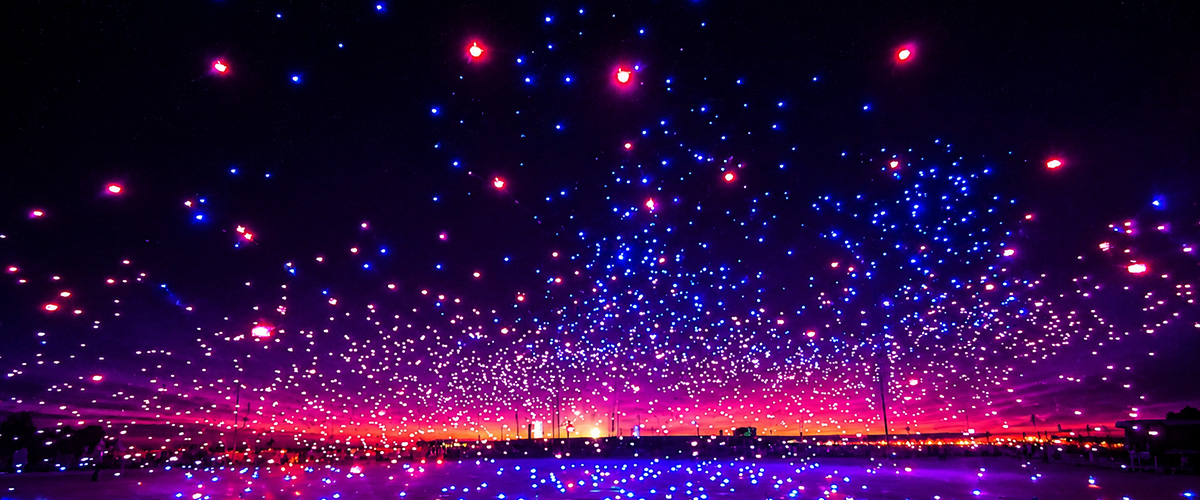
At BotLab Dynamics, safety is not treated as a separate step, it is integrated into every stage of the process. Each project begins with a detailed assessment of the location, followed by simulation-based testing of the entire show. Teams prepare for different scenarios, including technical failures and environmental changes.
This approach comes from experience. Working across multiple cities and event formats has shown us that no two locations are the same. Adapting to those differences while maintaining consistent safety standards is what defines a reliable drone show provider.
Because in the end, a successful show is not just about visuals; it’s about trust.
Final Thoughts
Drone shows in India are built on a foundation of strict regulations and advanced safety systems. From DGCA rules to Digital Sky approvals, from pilot certification to real-time monitoring, every layer is designed to ensure that these performances remain safe, controlled, and reliable.
As they become more common across public and private events, understanding these standards becomes increasingly important. Because while the visuals may capture attention, it’s the safety behind them that makes everything possible.